
How to Choose the Right Pickling Tank for Your Galvanizing Plant
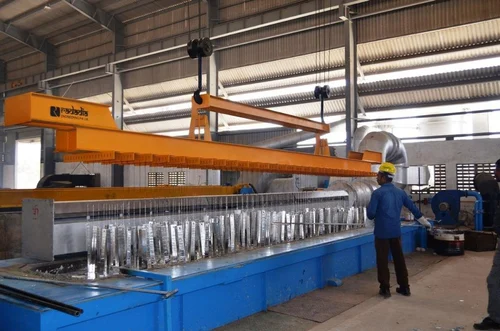
How to Choose the Right Pickling Tank for Your Galvanizing Plant. Get a Quote Full Name Company Name Email Address Phone Number Message Choosing the right pickling tank is critical for ensuring efficiency, safety, and long-term performance in any galvanizing plant. In industrial hubs like Ahmedabad, where galvanizing operations are widespread, selecting the correct tank material and design can directly impact production quality. Key Factors to Consider 1. Material Compatibility Pickling involves strong acids like hydrochloric or sulfuric acid. The tank material must resist corrosion: PP (Polypropylene): Excellent chemical resistance and cost-effective HDPE: Good for moderate chemical exposure FRP: Suitable for heavy-duty industrial use 2. Tank Capacity & Size Choose a tank based on: Production volume Size of metal components Future scalability Oversized tanks increase costs, while undersized tanks reduce efficiency. 3. Temperature Resistance Pickling processes often operate at elevated temperatures. Ensure: Material can withstand heat without deformation Proper insulation is included if required 4. Structural Strength A robust structure is essential to: Prevent leakage Handle heavy loads Ensure long service life 5. Ventilation & Safety Features Acid fumes can be hazardous. Your system should include: Fume extraction systems Scrubbers Proper drainage design Why Local Manufacturing Matters Working with a manufacturer in Ahmedabad ensures: Faster delivery Better service support Custom-built solutions as per your plant layout Conclusion The right pickling tank improves productivity, reduces maintenance, and ensures compliance with safety standards. Always choose a manufacturer who understands galvanizing operations and offers customized solutions.
PP vs HDPE Chemical Storage Tanks: Which is Right for Your Industry?
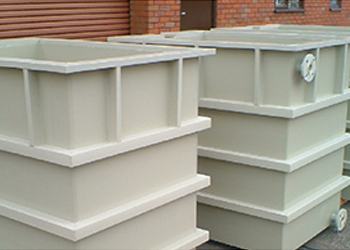
PP vs HDPE Chemical Storage Tanks: Which is Right for Your Industry? Get a Quote Full Name Company Name Email Address Phone Number Message When selecting a chemical storage tank, the most common dilemma industries face is choosing between PP (Polypropylene) and HDPE (High-Density Polyethylene). Both materials are widely used, but their performance varies depending on the application. Key Differences 1. Chemical Resistance PP Tanks: Superior resistance to strong acids and chemicals HDPE Tanks: Suitable for mild to moderate chemicals For aggressive chemicals, PP is generally the better choice. 2. Temperature Handling PP: Can withstand higher temperatures (up to ~100°C) HDPE: Limited to lower temperature ranges 3. Strength & Durability HDPE: More flexible, impact-resistant PP: More rigid and structurally stable 4. Cost Factor HDPE: More economical PP: Slightly higher cost but better long-term value for harsh environments 5. Application Suitability Industry Recommended Material Chemical Processing PP Water Treatment HDPE Electroplating PP Food Industry HDPE Industrial Use in Gujarat Industries across Gujarat rely heavily on both materials depending on their processes. Choosing the wrong one can lead to: Tank failure Chemical leakage Increased maintenance cost Conclusion If your application involves high temperature or aggressive chemicals, go with PP tanks. For general storage and cost-sensitive applications, HDPE tanks are a reliable choice.
Acid Fume Scrubber Systems: Why Every Electroplating Unit in Gujarat Needs One
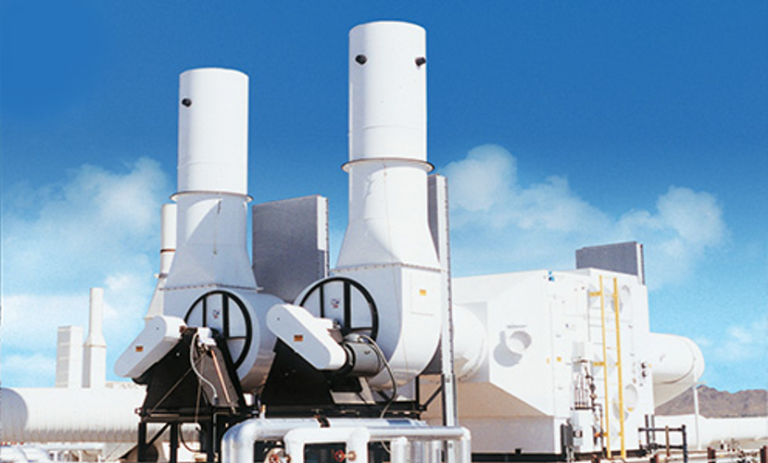
Acid Fume Scrubber Systems: Why Every Electroplating Unit in Gujarat Needs One Get a Quote Full Name Company Name Email Address Phone Number Message Electroplating units generate hazardous acid fumes that can harm workers, damage equipment, and pollute the environment. Installing an acid fume scrubber system is no longer optional—it’s essential for compliance and safety. What Are Acid Fumes? During electroplating, chemicals release: Hydrochloric acid fumes Sulfuric acid vapors Toxic gases These fumes can cause serious health and environmental issues. What Does a Scrubber Do? An acid fume scrubber: Captures harmful gases Neutralizes them using chemical processes Releases clean air into the environment Why It’s Critical in Gujarat In industrial regions like Ahmedabad and across Gujarat: Pollution control norms are strict Compliance is mandatory for operation Non-compliance can lead to heavy penalties or shutdown Key Benefits 1. Worker Safety Protects employees from: Respiratory issues Chemical exposure 2. Environmental Compliance Helps meet: Pollution control board regulations Environmental safety standards 3. Equipment Protection Prevents corrosion of nearby machinery and infrastructure. 4. Improved Productivity Cleaner environment leads to better working conditions and efficiency. Choosing the Right Scrubber Look for: High efficiency design Corrosion-resistant materials (PP/FRP) Custom sizing based on plant requirements Conclusion For electroplating units, installing an acid fume scrubber is a smart investment—not just for compliance, but for long-term operational efficiency and safety.


